
As we step into 2024, the world of programming is undergoing a rapid transformation, driven by breakthroughs in technology and shifts in development practices. The 2024 programming evolution is not just about coding faster; it’s about coding smarter. From AI-powered tools to new frameworks and cloud solutions, developers now have access to a suite of technologies that enhance productivity, improve collaboration, and allow for more creative problem-solving. This year, the focus is on simplifying complexity and unlocking new opportunities for innovation.
AI and Machine Learning: Coding’s New Power Couple
In 2024, AI and machine learning are leading the charge in reshaping how developers write code. AI-powered tools, like GitHub Copilot and ChatGPT integrations, are no longer a novelty—they are becoming indispensable parts of a developer’s toolkit. These tools assist in code completion, debugging, and even suggesting better algorithms. The evolving developer technology is all about using AI to eliminate the mundane aspects of coding, allowing programmers to focus on solving more complex problems.
Machine learning algorithms are now being embedded in frameworks to optimize performance, detect patterns, and even predict potential bugs before they become an issue. This synergy between AI and machine learning is at the heart of the future of programmer tech, as it enables developers to work more efficiently while pushing the boundaries of what’s possible.
Cloud-Native Development: The New Standard
Cloud-native development has cemented itself as the default approach for modern software architecture. With platforms like AWS, Google Cloud, and Azure expanding their capabilities, developers are building applications that are highly scalable, flexible, and resilient. In 2024, the shift towards cloud-native development is more pronounced than ever, as businesses demand software that can handle increasing loads without compromising on performance or security.
Microservices and serverless computing are taking center stage as the 2024 programming evolution focuses on modular, lightweight applications that can be updated independently. Developers no longer need to worry about infrastructure management or scalability—these issues are handled seamlessly by the cloud, allowing them to concentrate on writing clean, efficient code. The advancements in coding tools like Docker and Kubernetes are making it easier to deploy, manage, and scale these cloud-native applications with minimal effort.
Quantum Computing: Preparing for the Next Frontier
Although still in its infancy, quantum computing is gradually making its presence felt in the programming world. As research continues to progress, developers are beginning to explore quantum algorithms and how they can be applied to solve problems that classical computers struggle with. Companies like IBM and Google are spearheading efforts to make quantum computing accessible to developers through platforms like Qiskit.
While quantum computing might not yet be part of every developer’s day-to-day tasks, it represents the future of programmer tech. In 2024, developers are starting to familiarize themselves with quantum principles, knowing that this technology holds the potential to revolutionize fields like cryptography, optimization, and even AI. Quantum programming languages are emerging, and as they become more sophisticated, developers will need to adapt to this new paradigm.
Low-Code and No-Code Platforms: Democratizing Development
Low-code and no-code platforms are not new, but their role in the evolving developer technology ecosystem is growing significantly in 2024. These platforms are empowering non-technical users to create complex applications with minimal coding knowledge, breaking down the barriers between idea and implementation. Tools like Mendix, OutSystems, and Microsoft Power Apps are allowing businesses to build prototypes, automate workflows, and launch products faster than ever before.
For developers, this shift represents both a challenge and an opportunity. While low-code platforms make development accessible to a wider audience, they also push professional developers to focus on more complex, high-level programming tasks. The advancements in coding tools within this space mean that developers can leverage low-code platforms for rapid prototyping or internal tools while focusing their expertise on more intricate projects.
Cybersecurity: A Non-Negotiable Priority
With cyber threats growing in both frequency and sophistication, cybersecurity has become a critical focus in the 2024 programming evolution. Developers are now expected to incorporate security best practices into every stage of the software development lifecycle. From encryption and secure coding practices to real-time threat detection, security is no longer an afterthought—it’s baked into the code from the start.
New tools are emerging to help developers write more secure code. Static and dynamic analysis tools can now detect vulnerabilities early in the development process, while AI-driven security platforms provide real-time monitoring and defense mechanisms. This trend is not just about protecting data; it’s about maintaining trust and ensuring that applications are resilient against ever-evolving cyber threats.
Collaboration Tools: Remote-First Development
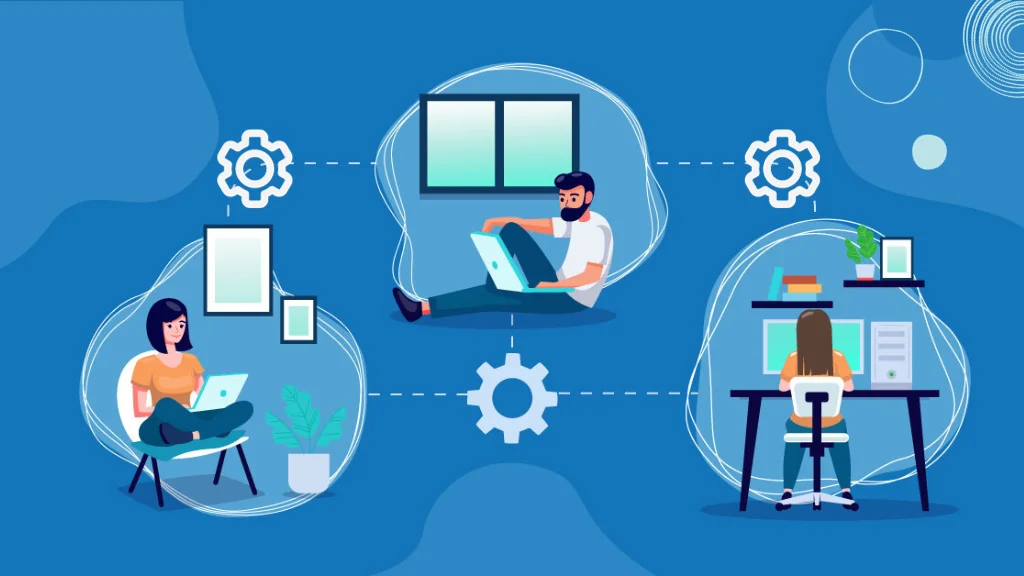
The shift to remote work has solidified in 2024, with development teams increasingly relying on powerful collaboration tools to stay connected and productive. Platforms like GitHub, Jira, and Slack have introduced new features that support real-time collaboration, asynchronous workflows, and advanced project management. These tools have become central to the evolving developer technology landscape, enabling teams to work together from anywhere in the world.
Developers are embracing remote-first development practices, utilizing cloud-based development environments like Gitpod and Codespaces to code directly in the cloud. These environments remove the need for local machine setups, allowing developers to jump into projects faster and collaborate seamlessly with their teams. This future of programmer tech is all about breaking down geographical barriers and fostering collaboration on a global scale.
The Rise of DevOps and Continuous Everything
In 2024, the integration of development and operations (DevOps) has matured into a culture of “continuous everything”—continuous integration, continuous delivery, and continuous monitoring. The advancements in coding tools like Jenkins, CircleCI, and GitLab CI/CD pipelines have made it possible for development teams to automate large portions of their workflows, ensuring that code is tested, integrated, and deployed continuously.
This constant feedback loop allows developers to catch issues early, iterate faster, and deliver features more quickly. DevOps isn’t just about automation—it’s about creating a collaborative environment where developers and operations teams work together to ensure that software is always ready for release. As DevOps practices evolve, developers are finding themselves at the intersection of coding and operations, pushing the boundaries of what agile development can achieve.
Conclusion
The 2024 programming evolution is marked by incredible advancements in technology and tools that are reshaping the way developers work. From AI and machine learning to cloud-native development, quantum computing, and DevOps, the evolving developer technology is all about enhancing productivity, collaboration, and security. As developers adapt to these advancements in coding tools, they are not only writing better code but also preparing for the future of programmer tech—a future where innovation knows no limits.
About the Author