
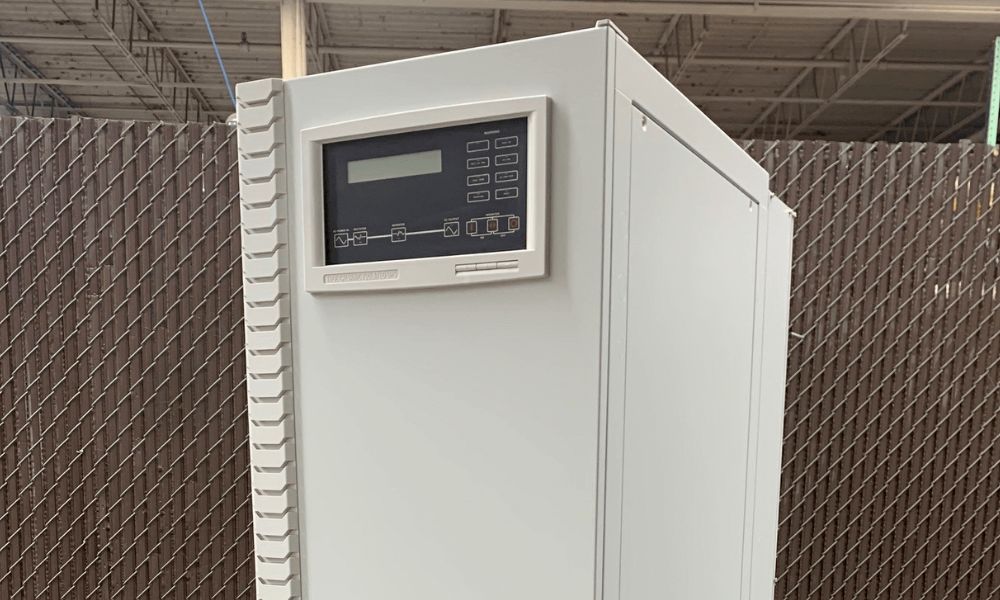
In our increasingly interconnected global economy, the demand for precise and reliable electrical power has never been higher. Industrial facilities, data centers, and research laboratories often find themselves in a predicament where the electricity provided by the local utility grid does not match the specific requirements of their sensitive equipment. This is particularly common for companies that import machinery from countries with different electrical standards, such as a European manufacturer using 50Hz equipment in a North American 60Hz environment. Historically, this gap was bridged by heavy, mechanical rotary converters. However, the advent of solid state frequency converters technology has introduced a more streamlined, efficient, and sophisticated solution. Solid state frequency converters have become the cornerstone of modern power management, offering a level of control and purity that was previously unattainable.
Maximizing Energy Efficiency and Reducing Operational Costs
Efficiency is a primary concern for any facility manager, and this is where solid state technology truly shines. Traditional rotary converters are subject to mechanical losses due to friction in the bearings, windage, and the inherent inefficiencies of electromagnetic induction. These units often waste a significant amount of energy in the form of heat, even when they are running at low loads. In contrast, solid state frequency converters are remarkably efficient, often achieving conversion ratings of ninety-five percent or higher.
The electronic nature of these converters allows them to maintain high efficiency across a wide range of load conditions. Many units feature sophisticated power management systems that can adjust their internal operations to minimize energy consumption during periods of low demand. Over the lifespan of the equipment, the reduction in energy waste can result in substantial financial savings. Furthermore, because they generate significantly less heat than rotary units, the load on the facility’s cooling and air conditioning systems is also reduced, leading to secondary energy savings that are often overlooked during the initial procurement process.
Compact Design and Environmental Resilience
The physical footprint of power equipment is a major consideration in urban or crowded industrial settings. Mechanical converters are notoriously large and heavy, often requiring reinforced flooring and dedicated rooms with specialized ventilation. Solid state frequency converters offer a much higher power density, providing the same or greater capacity in a fraction of the space. This compact design allows them to be integrated into existing equipment rooms or even installed directly alongside the machinery they serve.
Beyond their size, the lack of moving parts makes solid state units inherently more durable in certain environments. There are no bearings to lubricate, no belts to tension, and no brushes to replace. This leads to a significantly higher mean time between failures compared to mechanical systems. While they do require clean, ventilated environments to protect their internal electronics, their maintenance requirements are generally limited to periodic inspections and the cleaning of air filters. This reliability is a critical factor for mission-critical applications where even a few minutes of downtime can result in massive financial losses.
Advanced Control and Integration Capabilities
Modern solid state frequency converters are more than just power processors; they are intelligent nodes within a facility’s digital ecosystem. Equipped with sophisticated communication protocols, these units can be integrated into building management systems or industrial internet of things platforms. This connectivity allows facility managers to monitor power consumption, voltage stability, and system health in real-time from a remote location.
Predictive maintenance is a major advantage of this digital integration. The converter can monitor its own internal temperatures and component stresses, providing alerts before a potential failure occurs. This proactive approach to maintenance allows for repairs to be scheduled during planned downtime, avoiding the chaos of an emergency outage. Furthermore, the ability to program custom start-up sequences and ramp rates allows the converter to protect the connected load from the mechanical and electrical shocks associated with sudden power-on events.
Conclusion
The shift from mechanical to solid state frequency conversion represents a fundamental upgrade in how we manage and utilize electrical energy. By providing a combination of laboratory-grade power quality, exceptional energy efficiency, and a compact, reliable design, solid state converters address the most pressing challenges of the modern industrial world. They empower businesses to operate international equipment with confidence, protect their most sensitive assets from the irregularities of the utility grid, and reduce their overall environmental footprint through decreased energy waste. As our equipment becomes more sophisticated and our energy standards more demanding, the role of the solid state frequency converter as an essential tool for power optimization will only continue to grow.
About the Author


